


OceanPDF usually refers to OceanofPDF, a website that attracted attention for offering ebook downloads and was taken down in 2018 after publishers issued copyright notices. The name still appears in search results and on similarly named addresses. Those results alone cannot establish that a current domain is operated by the people behind the original site.
If a search for OceanPDF brought you here because you want to read a particular book, first identify the title, author and edition. For many readers, that is enough to find a library loan, authorized sample or public-domain edition without having to work out who runs an unfamiliar download site.
What happened to the original OceanofPDF?
The original site made digital copies of books available without the ordinary purchase or borrowing steps. Its appeal is easy to understand. Readers could search for a title and try to download a file immediately. The catalog included works that remained under copyright. The convenience of the catalog and the rights to distribute those files were separate questions.
In August 2018, publishing trade coverage reported that OceanofPDF had been taken down. Contemporary reporting described notices from publishers including Penguin Random House and HarperCollins, as well as an effort by authors to draw attention to the catalog. The attention was directed at the original operation and the specific files and pages then at issue.
The shutdown also exposed an access problem. An ebook may be listed for sale in one market, absent in another or priced beyond what a reader can spend. Those constraints can explain why searches for free versions continue. Libraries, public-domain projects and authorized promotions address some of that demand, with catalogs and eligibility that depend on the provider.
Why OceanPDF search results can be confusing
A brand name in a search result is an imperfect identifier. A new domain can use the same logo or list many of the same titles, while its operator, policies and behavior differ. Reciprocal links or a statement of continuity from an identifiable operator would be stronger evidence than matching branding. The 2018 coverage alone cannot authenticate any address you encounter now.
Separate the search query from the book you want. If you look for a service by name, results about shutdowns or similar domains may dominate. If you search the title alongside the author and desired language, you are likelier to find publisher, bookseller and library pages. For a translated work, include the translator or edition if you know it. A famous title may have several materially different versions.
The spelling variation can also make two different sites look like one. Keep track of the exact address when comparing results. Our guide to the sites using the Lekuluent name illustrates why checking the individual domain gives a clearer picture than relying on the name in a headline.
What a PDF or EPUB can tell you
PDF and EPUB describe file formats. A PDF often preserves the layout of the original pages, which can be useful for textbooks, diagrams and fixed pagination. EPUB commonly adjusts line length and font size to the reader’s display, which can make long prose more comfortable on a phone or e-reader. Check the edition and format details before assuming that either file is what you need.
A file extension says little about permission to distribute the work. A publisher can release an authorized PDF, and a malicious download can use a filename designed to look harmless. If you expected a book but a page asks you to install software, enable notifications or open a separate executable, step away and look for the work in a recognized catalog.
Look for the edition’s publication details when accuracy matters. A school assignment may refer to page numbers in a particular printing. A technical manual may describe a version of a product that is no longer sold. An old scan can be useful for historical reading but may omit an introduction or images included in the current edition.
Use a library for recent books
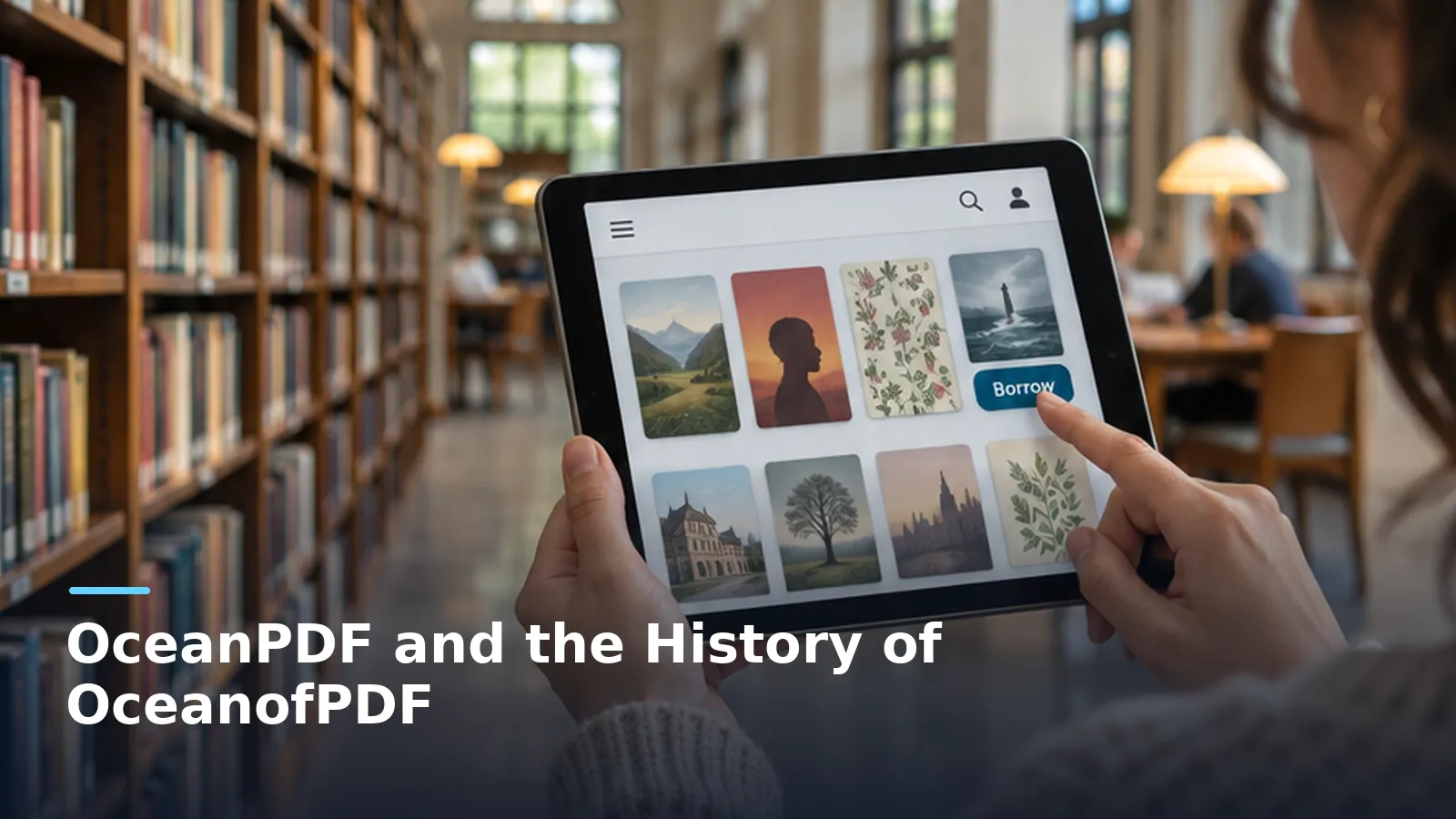
Contact your public or institutional library about digital borrowing. Many libraries offer ebooks through services such as Libby by OverDrive. Your card normally determines which catalog and lending rules apply. A listed title can have a wait because the library has a limited number of digital copies available under its lending terms. Place a hold if the book is worth waiting for.
Check whether a surrounding library system offers reciprocal membership if your home library lacks the book. University and school libraries may also offer subscriptions that cover specific academic titles. Ask whether access is restricted to students or staff and whether the book can be read offline. Download rights, checkout periods and simultaneous access can vary by edition and vendor.
If a book matters for a deadline, look at more than the first result. The print edition might be on the shelf even if the ebook has a queue. An audiobook may be available separately. A different translation or earlier edition can work for general reading, while a syllabus or citation may require the exact title and edition.
Use public-domain and authorized editions where available
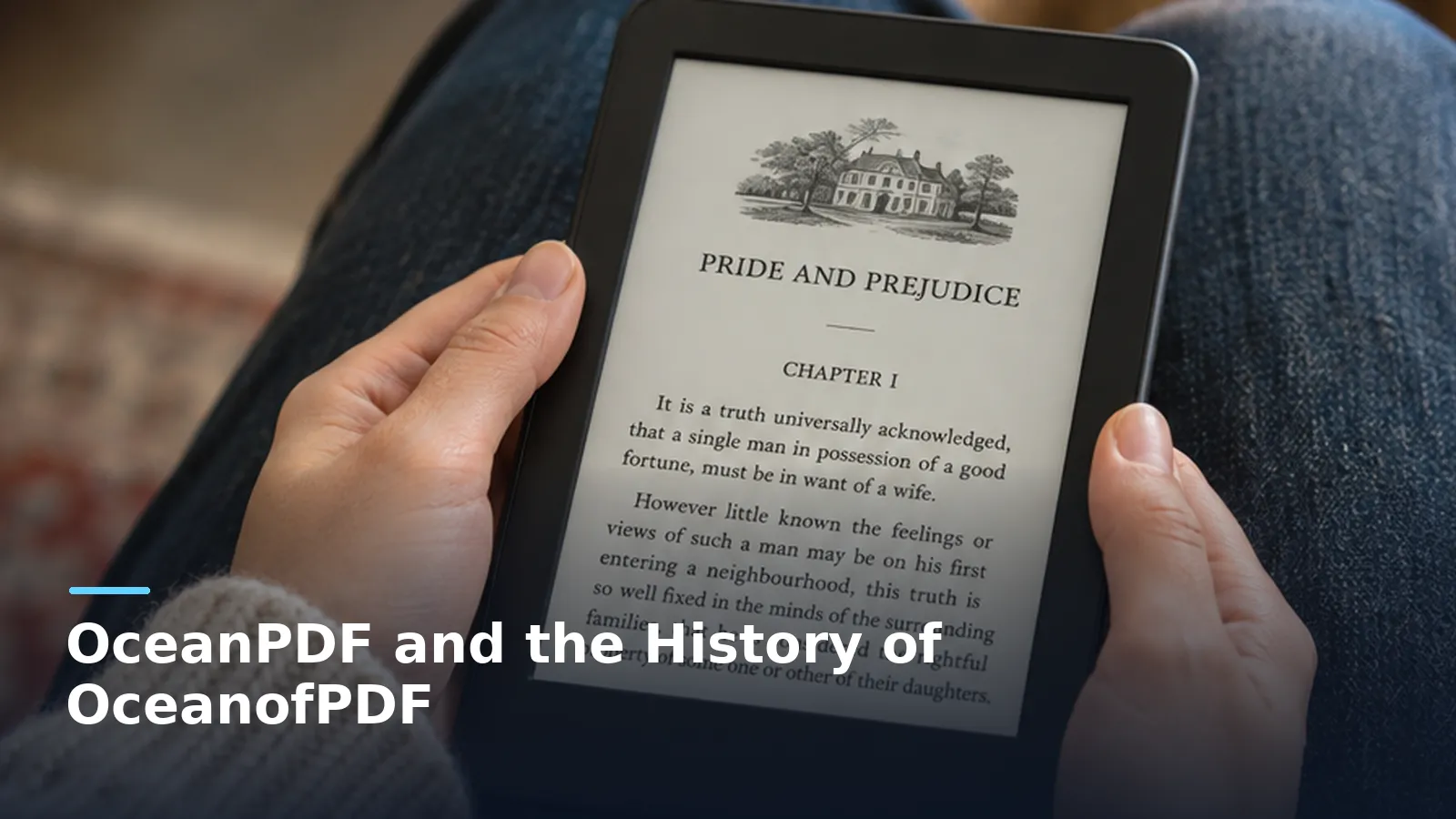
Project Gutenberg offers many classic works that are in the public domain in the United States. A work’s copyright status can differ by country, and a modern translation, introduction or set of illustrations may have separate rights. Check the edition information alongside the catalog notes before making assumptions about the rights for a particular text.
If the book is new, check the publisher or author’s own website for an excerpt or limited promotion. A retailer sample can show whether the book meets your needs before you pay or join a queue. Some authors make individual works available under open licenses. Look for a stated license or an explicit offer from the rights holder rather than assuming that any copy bearing the author’s name is authorized.
Open textbooks are particularly useful when the subject matters more than the specific edition. An instructor may be able to suggest an openly licensed equivalent for extra practice. If the class requires exercises or page numbers from a particular edition, check before substituting a different text.
How to check a digital book listing
Start with the title and author, then confirm the ebook’s ISBN or edition details where available. Record the lending term or download format and check that it works on the device where you plan to read. A store purchase, an institutional subscription and a library loan may offer different offline access. The practical question is whether you will still have access when you need it.
If a listing asks for an account, identify the business or library handling it. Read the access terms and check whether an advertised free item is tied to a renewal, a paid membership or a trial. Keep the confirmation email if you buy or borrow the work, especially when you expect to move between devices.
Keep a reading list that includes the edition
Make a short note of where you found each title, which edition it was and when your access ends. If you are reading for work or study, record the details needed for a citation while you still have the book open. A personal reading list can save time when a loan expires or when several editions share the same cover.
Readers who prefer comics may have similar questions about formats and release schedules. Our Wanpanman manga reading guide covers how editions and release formats affect that choice.
Frequently asked questions
Is OceanPDF the same as OceanofPDF?
The shorter spelling often points to the original OceanofPDF when used in search. A current domain using either spelling needs its own identity check.
When did the original OceanofPDF shut down?
It was reported taken down in August 2018 after rights holders issued notices and authors drew attention to the catalog.
Is a PDF always authorized if it is free?
No. Free copies can be authorized samples, public-domain editions or open publications, but the format and price do not establish permission to distribute them.
Where can I read a new ebook without buying it?
Try the digital catalog of a public or institutional library. The catalog, lending terms and waiting list depend on the library and the edition.
Can I use Project Gutenberg for recent releases?
Its catalog is most useful for public-domain works and some titles shared with permission. For a recent commercial release, look first for a library loan or publisher sample.
