



GizmoCrunch is a technology publication that introduces gadgets, software and consumer technology through news, guides and review-style articles. The name also appears on other domains, so start with the address and the publication details before treating two results as the same site.
If you came looking for help with a purchase, the value of GizmoCrunch depends on what the particular article can establish. A product overview can help you narrow a list. A buying decision often requires the manufacturer’s current specifications, an independent test if performance matters, and a seller’s current return and warranty terms. Those details can change independently of the date Google shows beside a result.
What GizmoCrunch says it covers
GizmoCrunch.com describes its subject as consumer gadgets and the technology around them. Its About page says three friends started the publication because they shared an interest in technology. The site also publishes a team page and a privacy policy. Those pages establish how the publication describes itself and give readers material to compare against the authorship and disclosure of a particular article.
A tech publication can be useful even when a page answers only one small question. You may need to understand what a feature means, learn which app setting to open, or decide whether the cheaper version of a product includes something you use every day. The first task is to choose the piece that addresses your actual question. A page labeled as news, a comparison and a review offer different kinds of information.
The name also appears on domains using extensions such as .org and .us. Similar names and subject matter alone do not establish a common publisher. Keep track of the complete domain when you bookmark a page, send a link, or try to find a previous article. If a search result stops matching the page you remember, compare the address, title and publication information.
When a review is more than a specification list
A specification list tells you what the manufacturer promises. An independent review can show what that promise means in a particular setting. Good product testing identifies the exact model, describes conditions, and gives enough detail for a reader to understand why an observation matters. A statement about battery life is easier to judge if the reviewer explains screen brightness, network use and the tasks they ran.
A product overview has a different job. It can explain which features exist and put several models in context. Treat it as a shortlist when there is no account of testing. If an article praises a camera, headphones or keyboard, look for something concrete such as a sample image, measured battery runtime or a detailed account of how typing feels over a long session.
Pay attention to the version of the product. A manufacturer can sell nearly identical names with different storage, radio bands or regional features. Firmware can also change how a device behaves. A well-written review should help you tell which version was discussed. If it does not, compare the exact model identifier on the listing and manufacturer page before deciding that the findings apply.
Use GizmoCrunch to shortlist a gadget
Choose three things the device must do before you start comparing it. For a laptop, those requirements could be support for specific software, a comfortable keyboard and enough battery for a day away from a desk. For earbuds, they might be secure fit, clear calls and reliable pairing with the devices you already own. Define what counts as enough for you, because the same product can suit one buyer and frustrate another.
Write down the options an article recommends and the reason for each recommendation. Then look for support that matches your priority. Someone choosing earbuds mainly for calls needs microphone performance in noise more than a general description of the bass. A laptop buyer who regularly connects two displays needs to check ports, display limits and docking support more carefully than benchmark scores.
Price is easiest to compare once the exact model and configuration are fixed. A low advertised price may apply to a different storage size or a refurbished unit. Compare shipping, return fees and warranty handling for the seller you would actually use. If you’re buying through a marketplace, our AuctionZip guide to marketplace rules and fees illustrates why the listing and the operator’s terms both deserve a look.
Check whether instructions still match your device
Troubleshooting content can age faster than a product review. Settings move, software menus change and a feature may become available only with a new version. Before following a guide, confirm that the device family and operating system match your own. A familiar screenshot is helpful when it corresponds to the version you see.
If the settings path seems wrong, search for the specific function in your device’s settings or look up the manufacturer’s current help page. Start with changes that are easy to reverse. For a connection problem, for example, gather the symptoms and note whether the issue occurs on one device or several before you erase a saved profile or reset accessories. Our PixNet 4 features and setup guide illustrates the importance of matching a walkthrough to the equipment at hand.
When instructions refer to a download, use the vendor’s recognized distribution channel. A download button placed next to an article may belong to a separate promotion. Before opening it, check the publisher, the file description and the reason you need it. Most buyers researching a product can finish the comparison from public specifications and reviews without installing anything.
What the privacy policy tells you
GizmoCrunch.com’s published privacy policy is dated July 2022 and discusses collection of information, including browser log data. A policy describes stated practices. For your own visit, pay attention to what the page and your browser ask you to allow. Reading an article typically requires less information than joining an email list or submitting a support form.
There is also a distinction between the publication and a merchant linked from it. If you follow a product link, the checkout and order data may be handled by the merchant. Review the merchant’s terms at the point where you are making a purchase. If you keep several tabs open, verify which site is asking for your email address or payment details before submitting them.
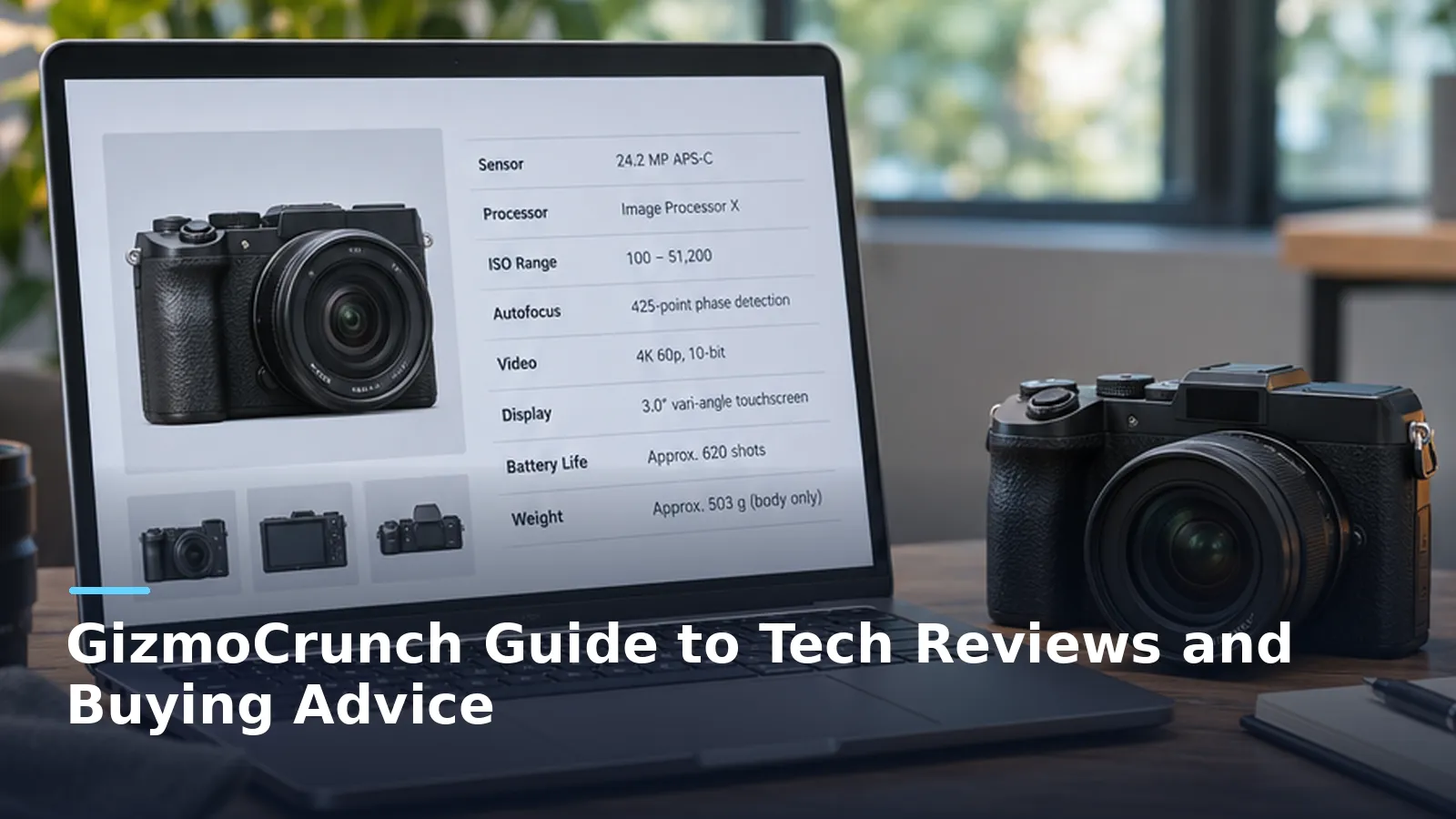
A quick example of a sensible comparison
Consider a shopper looking for a charger for a phone and laptop. A gadget article can explain why higher wattage might be useful and identify several models to check. The buyer can then verify each device’s recommended power standard, check what the charger offers on each port and confirm whether the included cable is suitable. A charger that advertises a high total output may split power across the ports when both devices are connected.
Finally, compare the exact unit you can purchase locally and check what’s in the box. Pay attention to the plug, cable, stated warranty and whether the retailer accepts returns for an opened item. The article can still be valuable if it helped clarify the question. The manufacturer and seller are the better places to verify details specific to the unit you’re about to buy.
How to tell whether a recommendation is still useful
Check the publication and update dates separately. A recent update can reflect a change to prices or links while much of the reporting remains older. Read the paragraphs that support the claim you care about and look for clues about the model year, software version and market. If you cannot place the advice in time, use it to learn the terminology and verify the decision elsewhere.
It also helps to compare the kind of evidence across articles. Two lists may repeat the same specifications, while a field test can show whether a particular feature works as expected. Look at how the reviewers reached agreement. If their methods or units differ, the spread may tell you what to expect in different conditions.
For a product you expect to keep for years, return to the comparison with a simple question: which of the cited differences will still matter after the first week?
Frequently asked questions
What is GizmoCrunch?
GizmoCrunch.com is a publication that covers gadgets and technology. Its About page traces the site to three friends with a shared interest in the subject.
Are all GizmoCrunch domains the same?
Several addresses use similar names. Compare the full domain, publisher details and contact information before expecting that pages on different addresses come from the same organization.
Does a GizmoCrunch article mean a product was tested?
Look at the article itself. First-hand testing is easier to recognize when a piece identifies the model and describes what was measured or observed. A roundup may rely on published information.
Can I buy products through GizmoCrunch?
A review or guide may direct readers to a seller. Verify which company takes the payment and which terms cover shipping, returns and warranty service.
What should I verify before using a software guide?
Check the software version, device type and publication date. Compare the instructions with the vendor’s current support documentation when a step affects account access or device settings.
